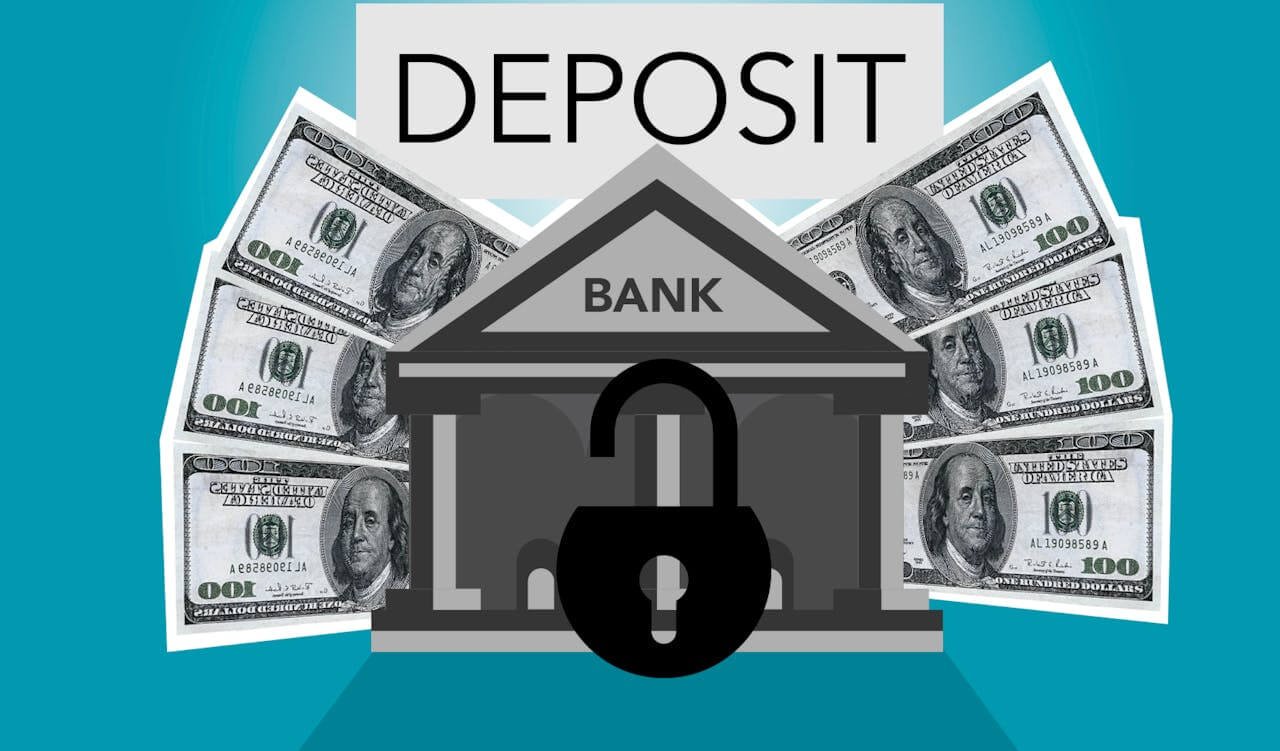
Are High-Yield Savings Accounts FDIC Insured? Yes!. Most high-yield savings accounts are FDIC insured, but coverage depends on where the account is held.
FDIC insurance protects depositors if a bank fails, covering up to $250,000 per depositor, per bank, per ownership category.
This protection applies to both your deposited money and the interest it earns. Because high-yield savings accounts are commonly used for emergency funds and short-term savings, FDIC insurance is one of the most important features to confirm before opening an account.
What Is FDIC Insurance?
FDIC insurance is a federal guarantee backed by the U.S. government that protects bank deposits if an insured bank fails.
The Federal Deposit Insurance Corporation was created to promote trust in the banking system and prevent losses during bank closures. When a bank is FDIC insured, eligible deposit accounts are protected up to the coverage limit without any action required from the depositor.
FDIC insurance applies automatically. You don’t apply for it, pay for it, or renew it. Coverage includes savings accounts, checking accounts, and certificates of deposit. Investment products are not covered, which is why FDIC-backed savings accounts remain a cornerstone for safe cash storage.
How FDIC Insurance Works for High-Yield Savings Accounts
High-yield savings accounts receive the same FDIC protection as traditional savings accounts.
If the bank is an FDIC member, deposits and earned interest are insured up to $250,000. If the bank fails, the FDIC either transfers accounts to another bank or sends payment directly to depositors, often within a few business days.
If you hold multiple savings accounts at the same bank under the same ownership category, the balances are added together for insurance purposes.
Savers with higher balances sometimes open accounts at more than one bank to stay fully insured.
Recommended Article:
- How Safe Are High Yield Savings Accounts?
- How Many High-Yield Savings Accounts Should I Have
- High-Yield Savings Account vs Money Market Account
Are Online High-Yield Savings Accounts FDIC Insured?
Yes, online banks can be FDIC insured just like traditional banks. Online banks operate under the same federal banking laws and must meet the same insurance requirements. As long as the bank itself is an FDIC member, your high-yield savings account is covered.
Some financial apps are not banks but partner with FDIC-insured institutions. In these cases, your money is typically placed into an insured account behind the scenes. Always confirm where your funds are held, not just the app name, before depositing money.
Benefits of FDIC Insurance for High-Yield Savings Accounts
FDIC insurance turns high-yield savings accounts into a low-risk place to earn interest. It removes the fear of losing money due to bank failure while still allowing balances to grow. This makes HYSAs especially useful for emergency funds, where safety matters more than chasing the highest possible return.
Another benefit is peace of mind during economic stress. Even if markets drop or banks face pressure, insured deposits remain protected. When paired with tools like the High-Yield Savings Account Calculator, you can plan growth without worrying about loss of principal.
What Are Three Things Not Insured by the FDIC?
FDIC insurance does not cover everything offered by a bank. Knowing what’s excluded helps avoid surprises.
The FDIC does not insure:
- Stocks, bonds, or mutual funds
- Cryptocurrency or digital assets
- Annuities and life insurance policies
These products can lose value, and losses are not reimbursed if a bank fails. This is why high-yield savings accounts remain a safer option for money that must stay stable.
How to Verify If Your High-Yield Savings Account Is FDIC Insured
You can verify FDIC insurance in a few simple ways. Most banks display the FDIC logo on their website or account disclosures. You can also search the FDIC’s official BankFind tool using the bank’s name or certificate number.
If you’re using a financial app, look for clear language stating that funds are deposited at an FDIC-member bank. If the company avoids direct answers or uses vague wording, that’s a warning sign. Verifying insurance before opening an account helps protect your savings from unnecessary risk.
Is It Bad If a Bank Isn’t FDIC Insured?
A bank that isn’t FDIC insured poses higher risk for depositors. Without federal protection, there’s no guarantee you’ll recover your money if the institution fails.
Some credit unions are not FDIC insured but are covered by NCUA insurance, which offers similar protection. The main concern is institutions with no federal backing at all.
For emergency funds and short-term savings, lack of FDIC or NCUA insurance is usually a dealbreaker. Safety is the main reason people choose high-yield savings accounts over higher-risk alternatives.
How Much Money Is Safe in a High-Yield Savings Account?
FDIC insurance protects up to $250,000 per depositor, per bank, per ownership category. If your balance exceeds that amount, only the insured portion is guaranteed. Savers with large balances often spread funds across multiple banks or ownership types to increase coverage.
When comparing where to place extra funds, tools like the Money Market Account Calculator help you weigh returns while staying within insurance limits.
FAQs About FDIC Insurance and High-Yield Savings Accounts
Does FDIC insurance cover interest earned?
Yes. Interest earned in a high-yield savings account is insured along with your deposits, as long as the total balance stays within the coverage limit.
Are joint high-yield savings accounts insured?
Yes. Joint accounts receive up to $250,000 in coverage per owner, which can double protection for couples if structured correctly.
What happens if I exceed FDIC limits?
Any amount above the coverage limit is not insured. To reduce risk, funds can be split across multiple banks or account ownership types.
Bottom Line
High-yield savings accounts are FDIC insured when held at a member bank, making them one of the safest places to store cash. FDIC insurance protects deposits and interest up to $250,000, even if a bank fails. Knowing how coverage works, what isn’t insured, and how to verify protection helps ensure your savings stay secure while earning competitive interest.