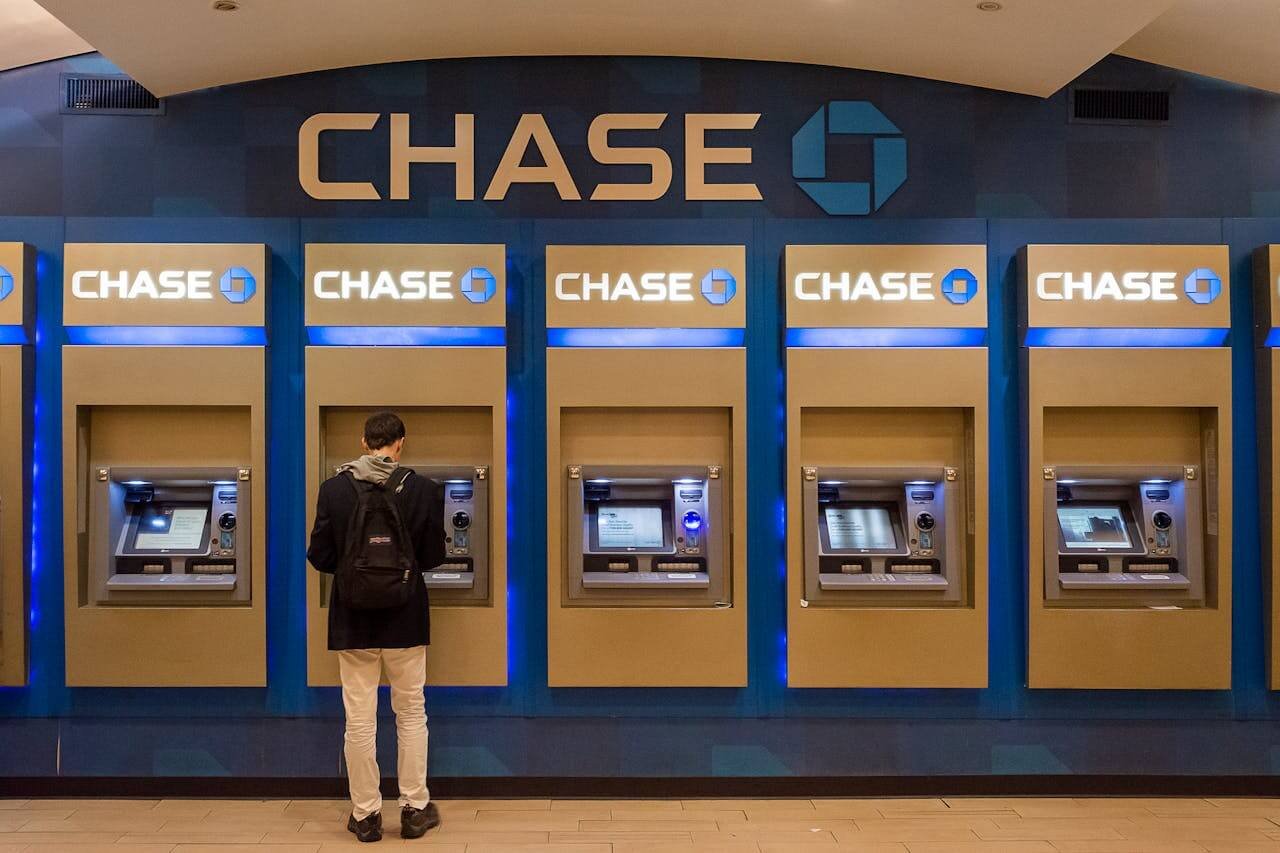
Does Chase Offer High-Yield Savings Accounts? Chase Bank is one of the largest financial institutions in the United States, known for its extensive branch network, nationwide ATM access, and full range of banking services.
Many savers wonder if Chase offers high-yield savings accounts that earn competitive interest. The short answer is that Chase does not currently offer a standalone high-yield savings account with rates comparable to online banks.
Instead, Chase focuses on traditional savings accounts, which tend to have lower APYs but include benefits tied to branch access and extensive service options.
In this article, we’ll discover what Chase does offer, how its savings products compare with high-yield options from other banks, where Chase might still fit into your strategy, and alternatives worth considering.
Chase’s Savings Products: Traditional, Not High-Yield
Chase’s primary savings account is known simply as the Chase Savings℠ account. This account is designed for convenience and accessibility, especially for existing Chase checking customers.
It allows you to link easily with other Chase accounts and access funds at more than 16,000 branches and ATMs nationwide.
However, the Chase Savings account does not offer a high APY compared with online high-yield savings accounts. Rates at Chase Bank have historically been very low, often far below the national average.
This means your money grows more slowly compared with high-yield options offered by online banks. If earning competitive interest on cash is a priority, this distinction matters.
For savers who want to see how much their savings could grow with higher rates, tools like the High-Yield Savings Calculator can help model the difference in earnings over time.
Why Chase Savings Rates Are Lower
Chase’s business model includes branch access, in-person service, and a broad range of financial products. These offerings come with higher overhead costs than online-only banks. To cover expenses and still make loans and investments, Chase pays lower interest on savings balances.
Traditional banks like Chase often view savings accounts as relationship products that keep customers engaged across multiple services, such as checking accounts, mortgages, and credit cards. In exchange for convenience and access to branches, savers usually accept lower yields.
Even though Chase does not offer high-yield savings, its financial products still work well for people who prioritize service, simplicity, and having a one-stop financial relationship.
How Chase Compares to High-Yield Savings Accounts
Chase’s savings account differs from a true high-yield savings account in several key ways:
Rate – Chase pays a low APY compared with online banks that focus on larger rates.
Accessibility – Chase offers in-person service at branches; online banks do not.
Fees – Chase may charge maintenance fees unless you meet balance or linking requirements.
Service – Chase includes tools like robust branch support and financial advice.
Savvy savers often look beyond traditional bank rates when cash growth matters. Comparing returns from different account types—including money market accounts and CDs—can help. CalculatorBank’s Money Market Account Calculator lets you compare potential earnings under different scenarios.
Options for Chase Customers Who Want Higher Yield
If you’re a Chase customer but want higher savings yields, there are a few paths you might consider:
1. Use a separate high-yield savings account at another bank
Many people keep emergency funds or short-term savings at online banks that offer higher APYs.
2. Ladder CDs
Certificates of deposit can offer fixed rates for a set term. Tools like the CD Calculator
help estimate returns over time.
3. Money market accounts
Some online money market accounts can pay competitive yields while still providing easy access.
Using these tools helps compare how each option performs compared to keeping savings at Chase.
When a Traditional Bank Like Chase Still Makes Sense
A low-rate savings account at Chase might still be right for some savers, particularly if:
- You prefer in-person service and immediate branch access
- You have other Chase accounts and want easy internal transfers
- You value features like joint account management or linked rewards programs
In these cases, the convenience of Chase may outweigh the savings rate gap. Some people keep a small balance at Chase for daily needs while parking larger balances into higher-yield accounts elsewhere.
Linking Chase Savings With Broader Financial Strategy
A Chase savings account can play a role in a broader savings plan, even if it does not pay high interest. For example, you might keep a small balance at Chase for everyday transfers while holding your main emergency fund in a high-yield account elsewhere. That emergency fund can grow faster while remaining accessible.
Emergency funds are a cornerstone of personal finance. If your goal is to build or maintain an emergency fund, calculators like the Emergency Fund Calculator
https://calculatorbank.com/emergency-fund-calculator/
can help determine how much you should save and how your balances might grow.
Fees and Requirements at Chase Savings Accounts
Chase Savings℠ accounts may include monthly service fees unless you meet certain criteria, such as minimum balance levels or linked transactions. These fees can further reduce net returns when rates are low. For savers focused on growth, avoiding fees is essential.
By contrast, many online high-yield savings accounts have no monthly fees, no minimum balance requirements, and simple rules for earning interest. Fee structures can have a bigger impact over time than the APY alone.
How to Evaluate Chase vs Other High-Yield Options
When deciding whether to keep savings at Chase or elsewhere, consider:
- Your savings goal (emergency fund, short-term purchase, long-term reserve)
- How quickly you might need access
- Whether you’re comfortable using multiple institutions
- How fees will affect net returns
Comparing outcomes using a Future Value Calculator helps you see how your money might grow in different accounts. This can add clarity when rates differ substantially.
When Chase Offers Better Experience Than High-Yield Online Banks
Chase may offer advantages that go beyond interest rates. For example:
- Branches and ATMs — physical access can matter for cash services
- Relationship perks — linking checking and savings may reduce fees
- Customer support — in-person help may be valuable for complex needs
If ease of service outweighs rate concerns, keeping an active Chase savings account may make sense as part of a balanced strategy.
FAQs About Chase and High-Yield Savings Accounts
Does Chase currently offer a high-yield savings account?
No. Chase does not currently offer a standalone high-yield savings account with competitive APYs compared with online banks. Its primary savings product offers lower rates but more service features.
Can existing Chase customers open high-yield accounts elsewhere?
Yes. Many people maintain accounts at online banks for higher APYs while still using Chase for checking and everyday banking. You can link external accounts for transfers.
Does Chase offer online savings products?
Chase does offer online access to its savings accounts, but the interest rate remains traditional rather than high-yield. Digital access does not automatically mean a high interest rate.
Should I move savings out of Chase if rates improve?
If Chase increases rates to competitive levels, moving savings may not be necessary. Otherwise, comparing yields elsewhere often makes sense for growth.
Are CD and money market options better at Chase?
Chase does offer CDs and money market accounts, but their rates also tend to be lower than online options. Comparing tools like the CD calculator helps evaluate whether a Chase product is worth it.
Bottom Line
Chase does not currently offer a high-yield savings account with competitive APYs compared with online banks. Its savings products focus on convenience, service, and broad financial relationships rather than interest rate leadership.
If your priority is earning higher interest on cash, you may consider adding a high-yield account from an online bank while keeping Chase for everyday access and customer service.